






“Amma, why are there two types of ghee in the store? Pure ghee and A2 ghee?”
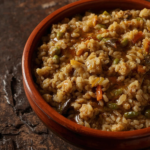
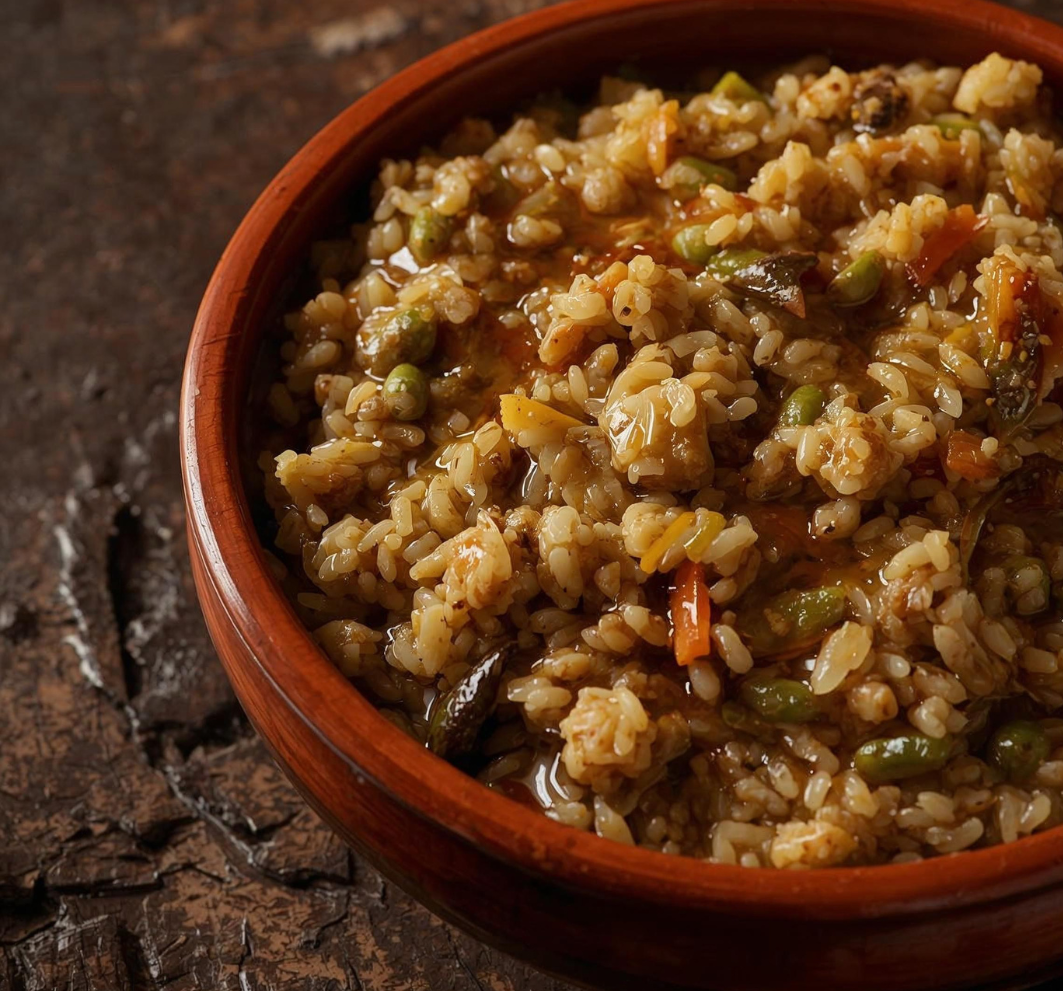
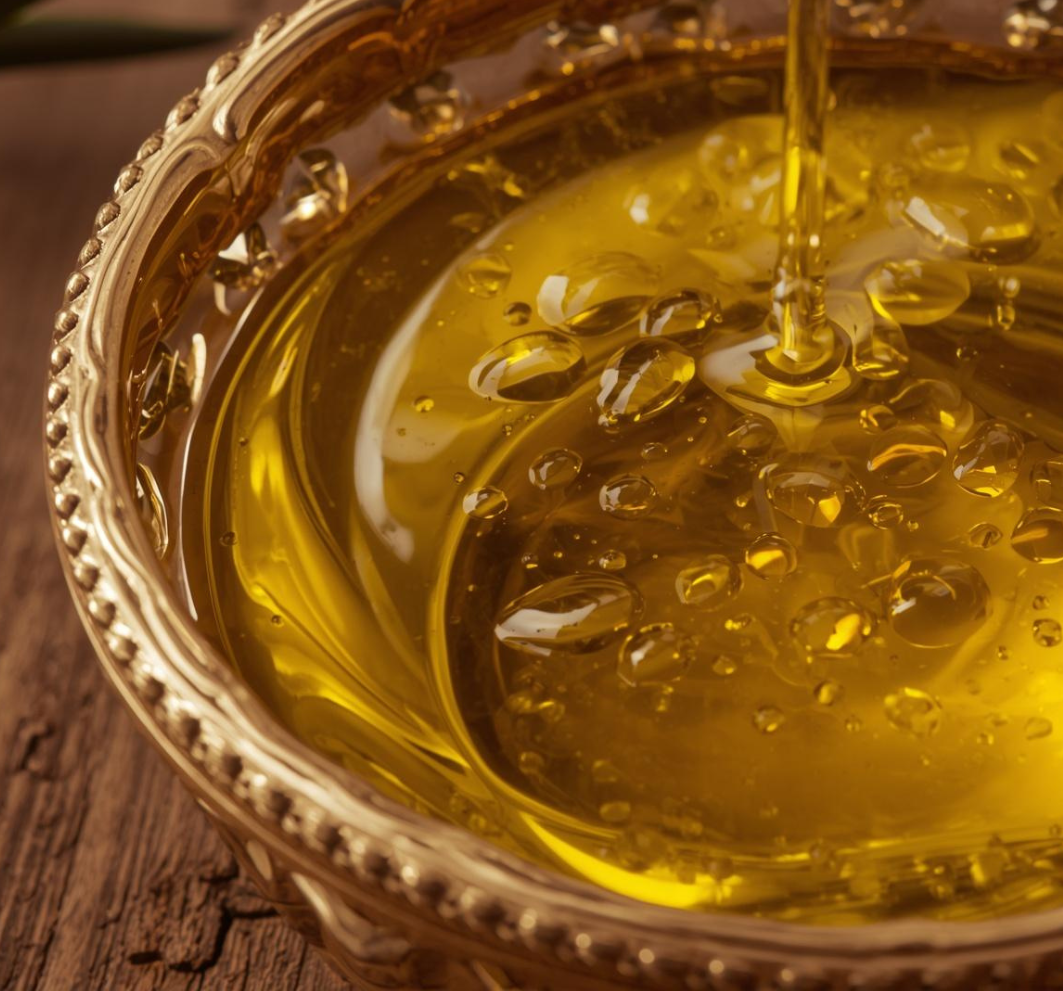
She smiles, stirring a spoon of golden ghee into hot rice.
“Both are good, kanna… but they’re not exactly the same.”
“Then what’s the difference?”
She pauses for a moment, thinking how to explain it simply.
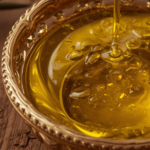
“Pure ghee is what most people use daily. It’s made from milk—usually in big quantities—and it’s tasty, smells nice, and gives you energy.”
“And A2 ghee?”
“A2 ghee comes from a special type of cow—desi cows. Their milk has something called A2 protein, which many people feel is easier to digest. It’s usually made in a traditional way, like churning curd into butter and then heating it slowly.”
The child looks curious now.
“So… A2 is healthier?”
She nods gently.
“Not always ‘healthier,’ but often more natural and closer to how our grandparents made it. That’s why it’s also more expensive.”
“Then why don’t we use A2 ghee all the time?”
She laughs softly.
“Because, kanna… good things also need balance. Pure ghee is still good for everyday use. A2 ghee is like a premium version—special, traditional, and sometimes better for people with sensitive digestion.”
She serves the food, adding a small spoon of ghee on top.
“At the end of the day,” she says,
“what matters is that the ghee is pure, not mixed with anything, and used in the right amount.”
The child takes a bite and smiles.
“Okay Amma… this one is definitely good.”
And just like that, the confusion melts away—
just like ghee on hot rice.
Final Thought
Whether it’s pure ghee or A2 ghee, both carry the warmth of tradition.
One fits everyday life, the other brings a touch of heritage and care